
The number 5673580647 carries the 567 area code, which is tied to northwest Ohio, yet that does not reveal who uses it, and no owner is confirmed here. This explainer covers what each part of the number means, why callers can mislead, and how to check an unfamiliar contact safely.
| Number as written | 5673580647, also 567-358-0647 and (567) 358-0647 |
| Area code | 567, northwest Ohio |
| Toll-free? | No, a geographic code |
| Owner | Not established here |
| Main confusion | A local code does not prove a local caller |
| Safest move | Verify through an official number you find yourself |
Why people search for 5673580647
Almost everyone who types a number into a search box is in the same position. A call came in, perhaps with a short voicemail or none at all, and they want to know whether it matters. Some are worried about a message that sounded official. Others are simply curious about a missed call from an unfamiliar line.
What a search can honestly do is narrow the possibilities. It cannot hand over a name. The sections below explain what the digits carry, what they do not, and why a number on its own is such a thin source of truth.
What the 567 area code means for 5673580647
The 567 code covers northwest Ohio, an area centred on Toledo that also reaches into surrounding counties, and it shares that ground with the older 419 code as an overlay. Overlays exist because a region’s supply of numbers runs short. Instead of splitting the map, the telephone authorities add a second code to the same territory, so neighbours end up with different codes.
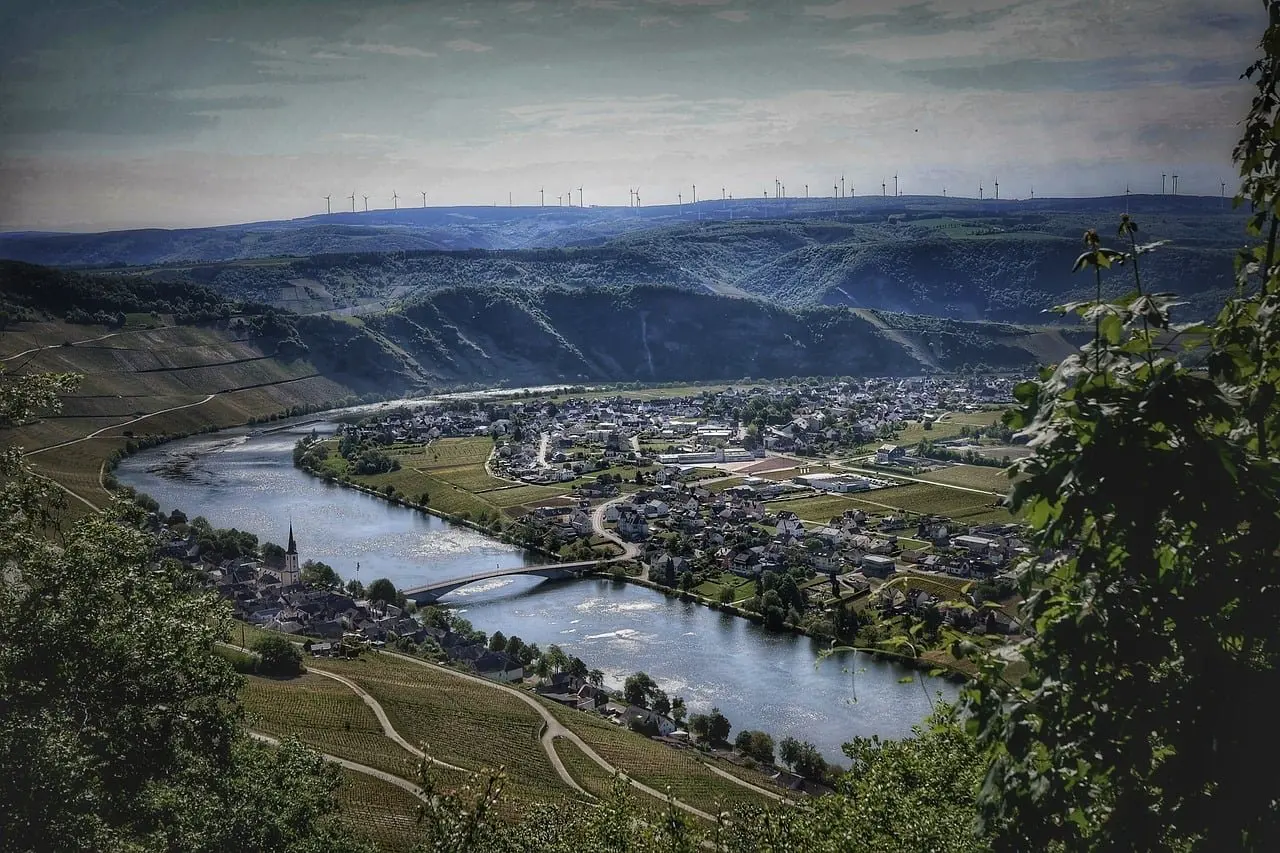
For the reader, the lesson is simple. Seeing 567 tells you that the line was first assigned in or around that part of Ohio, and it tells you nothing about the person using it now. People move, keep their mobile numbers and call from anywhere.
How 5673580647 splits into country, area, exchange and line
Writing the number as +1 567 358 0647 shows the parts clearly. The +1 is the country code for the North American plan. The 567 is the area code. The 358 is the exchange, which once identified a switching office, and 0647 is the line within that exchange.
That four-part layout is the same for every number in the United States, Canada and the other countries that share the plan. It matters because it explains why checking is possible: the structure is public, even though the holder of the line is not. Reading it correctly protects you from a common mistake, which is to assume that a familiar-looking exchange or a nearby code carries meaning.
Why 5673580647 can appear to come from somewhere else
Caller ID is a label, not a certificate. The number shown on your screen is passed along by the network, and software used by call centres and internet phone services can set it to many values. A caller who wants to look local picks digits from a nearby code, and a caller who wants to look official may copy a number you know.

Spoofing is the name for this, and it is the main reason an official-sounding call should always be checked through a separate route. It also explains why a number that matches your area code, such as an ordinary-looking 5673580647, proves little. Genuine numbers get reused, abandoned and recycled, and sometimes a number that once belonged to a business goes quiet and later turns up with a new holder.
Checking 5673580647 without picking up the phone
Begin with your own records: the call log, the voicemail and any text. Then search for 5673580647, 567-358-0647, (567) 358-0647 and +1 567 358 0647 in quotation marks. A page where an organisation publishes the number as its own contact line is useful if the subject matches why you were contacted. Opinion threads are weaker. They may be old, written about a different holder of the line, or simply wrong.
If the voicemail names an organisation you actually deal with, find its number on its own website, a statement or the back of a card, and call that. If the message names an organisation you do not know, you have nothing to answer. Whatever the outcome, resist the urge to call the number back from the screen, because a return call can reach a premium service and tells the other side your line is active.
Put the pieces together and a pattern appears. The area code gives a rough region, the format gives structure, caller ID gives a label that may be false, and a search gives a handful of second-hand opinions. None of the four can name the person using the line today. What you can do is combine them with common sense: does the contact match something you did, does it ask for something risky, and can you verify it through a route the caller did not supply?
Warning signs that matter more than the digits of 5673580647
Because the number proves so little, the content of the contact is a better guide. Be alert to urgency, to a threat of arrest, a frozen account or a lost parcel, to a request for gift cards, a transfer or cryptocurrency, to a code that was just texted to you, to a demand that you install software, and to any instruction to keep the matter secret.
One sign is enough to stop. Real organisations understand that you want to confirm who they are, and they do not rely on panic. The reverse also holds: a polite, specific call is not proof of honesty, which is why checking through an official route still matters.
Voicemails are worth a special mention. If 5673580647 left one, replay it and listen for details rather than tone. A genuine message usually names an organisation, gives a reason tied to something you did and offers a way to verify it. A recording with no name, a rushed script or a request to call a different number should be treated with care, and deleting it is a perfectly good response. Keep it for a few days if you are uneasy, in case you need to explain what happened later.
Blocking and reporting a contact from 5673580647
To block, open Recents on an iPhone, tap the information icon beside the number and choose Block this Caller. On Android, press and hold the call entry and choose Block or Report spam. You can undo either from settings. For wider protection, turn on your carrier’s spam filtering and consider silencing unknown callers.
If you were pressured or lost money, report it. In the United States the Federal Trade Commission takes complaints, and in Canada the Canadian Anti-Fraud Centre does. If you shared details, contact your bank or the affected service on an official number, change the passwords you disclosed and, if a device was accessed, disconnect it and have it inspected. If nothing came of the contact, keep a short note and move on.